![]() | CYMRAEG |
|
|
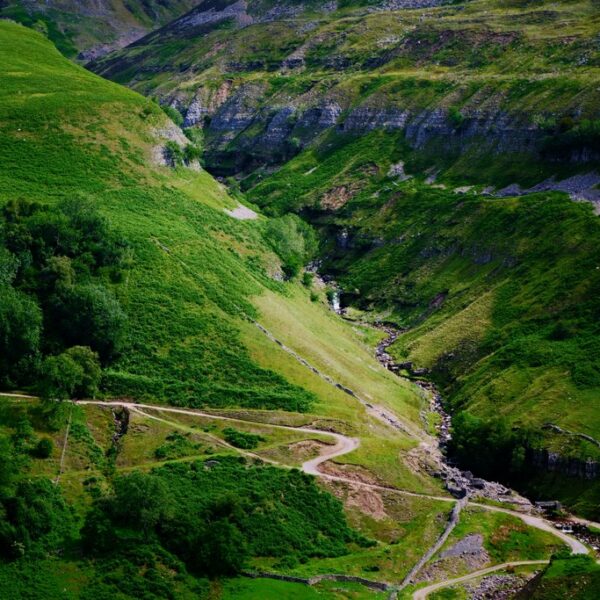
Owain Glyndŵr's WalesSycharthSycharth is the subject of a praise poem by Iolo Goch written before the beginning of the revolt. The poem not only refers to Glyndŵr’s generosity as host in the traditional manner but also identifies the Anglo-Norman and continental European inspiration for the architecture. He refers to a ‘Tower of St Patrick’s’, which historian Dafydd Johnston suggests is St Patrick’s cathedral, Dublin; Minot’s tower of c. 1370; a ‘Cloister of Westminster’; and ‘splendid shops full of fine merchandise/Full and fair, like London’s Cheapside.’ Prince Hal (the future Henry V) describes how he and his forces arrived at ‘Saghern’, which he describes as well built (bien edifie) before burning down ‘the whole place and several other houses near it belonging to Glyndŵr’s tenants (einz nous fismes ardre toute la place, et plusieurs autres maisons la entour de ses tenantz). Prince Hal, who had had ample opportunity to see well-constructed buildings, was clearly impressed by the standard of workmanship, and this description of the burning suggests that it was a complex of some size with what were evidently dependent houses nearby. Sycharth, an easy drive away from its sister site Glyndyfrdwy and a little to the south of the village of Hanmer. The substantial motte and bailey can be seen from the B4580 that leads from Lansilin and it can be appreciated from this spot. It is an easy journey from Oswestry and Welshpool and the A483. ![]() Image © Copyright Jeremy Bolwell and licensed for reuse under this Creative Commons Licence Although only earthworks remain, they are impressive. There is a special ambience to the site due to its remote rural location and Iolo Goch’s contemporary poem goes a long way to bringing Sycharth to life. There is an interpretation panel near the stile into the site which outlines its history and displays an extract from the Iolo Goch poem. It also contains a visual reconstruction of a similar motte and bailey by Douglas Hague and an aerial photo of the site together with images of the tokens/seal found at Harlech Castle. Several footpaths lead to the site, offering walking opportunities and it is easy to gain access from the nearby road. The current permitted open access arrangements mean that visitors can wander freely across the site and the planned car park will provide a focus for visitor welcome and introduction. |